

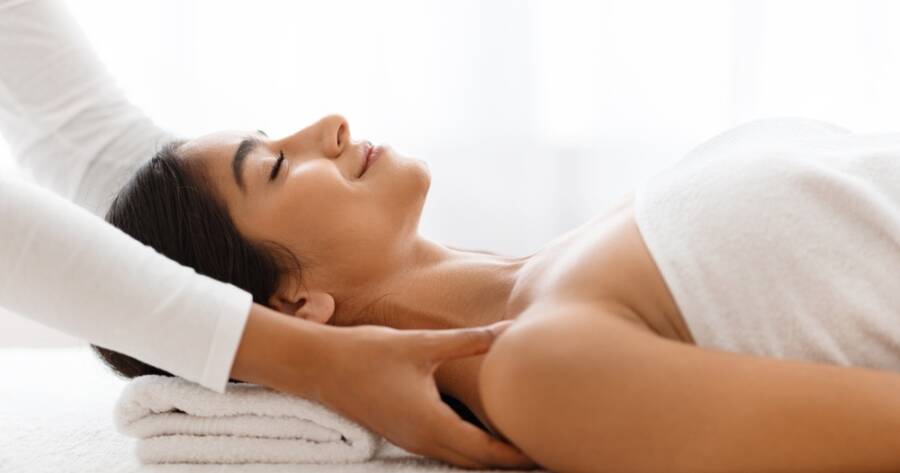
Massage therapy offers more than momentary relaxation. Different techniques are designed to target muscle tension, improve circulation, support recovery, or promote overall calm. From gentle, flowing strokes to deeper, more focused pressure, each style brings its own purpose and benefits. Understanding how various modalities differ can help clarify what aligns best with personal needs, whether the goal is stress relief, athletic recovery, reduced swelling, or a deeper release of chronic tightness.
Swedish Massage: The Classic for Relaxation
Swedish massage is often considered the foundational style in Western massage therapy. It uses long, flowing strokes, kneading, circular movements, and light tapping to promote relaxation and improve circulation. Pressure is typically moderate, making it accessible for those new to massage.
This approach is especially helpful for reducing general stress and mild muscle tension. The rhythmic movements encourage blood flow toward the heart, which may help ease stiffness and promote a sense of calm. For anyone seeking full-body relaxation without intense pressure, Swedish massage remains a reliable and restorative choice.
Deep Tissue Massage: Targeting Chronic Tension
Deep tissue massage focuses on the deeper layers of muscle and connective tissue. Therapists use slower strokes and firmer pressure to address persistent tightness, adhesions, or areas of discomfort. While the sensation can feel intense at times, the goal is therapeutic release rather than discomfort.
This modality is often chosen for chronic muscle pain, postural strain, or repetitive stress injuries. By working into deeper structures, it may help improve mobility and reduce lingering soreness. Communication with the therapist is essential to ensure pressure remains effective yet tolerable throughout the session.
Sports Massage: Supporting Performance and Recovery
Sports massage is tailored to individuals who are physically active, whether recreationally or competitively. Techniques may resemble deep tissue work but are often more targeted to specific muscle groups used during a particular sport or activity.
Sessions can be designed for pre-event preparation, post-event recovery, or ongoing maintenance. Increased circulation, reduced muscle tightness, and enhanced flexibility are common goals. Even those who do not identify as athletes may benefit if they experience repetitive strain or exercise regularly. This approach blends therapeutic precision with performance support.
Aromatherapy and Hot Stone: Enhancing Relaxation
Aromatherapy massage combines gentle techniques with essential oils selected for their calming or uplifting properties. Oils are typically diffused in the room or diluted and applied to the skin. Scent plays a role in emotional regulation, potentially supporting stress relief and mood balance.
Hot stone massage incorporates smooth, heated stones placed on specific areas of the body. The warmth helps relax muscles and may allow for deeper work without increased pressure. Both approaches emphasize sensory comfort, creating a soothing experience that supports relaxation and tension release in a more immersive way.
Lymphatic Drainage: Gentle and Targeted
Lymphatic drainage massage is distinct from other forms because of its light, rhythmic technique. The lymphatic system helps remove waste and excess fluid from tissues. When circulation is disrupted, swelling or fluid retention can occur.
This modality uses gentle strokes to encourage lymph movement toward lymph nodes, supporting natural drainage. It is often recommended for individuals experiencing lymphedema, post-surgical swelling, or fluid retention. Because pressure is very light, the experience feels subtle yet purposeful. Consultation with a healthcare professional is advisable when addressing medical conditions.
Reflexology and Shiatsu: Pressure Point Approaches
Reflexology focuses on specific points on the feet, hands, or ears believed to correspond to different areas of the body. Practitioners apply targeted pressure to promote relaxation and restore energetic balance. The approach can feel deeply calming without requiring full-body contact.
Shiatsu, rooted in Japanese tradition, uses finger and palm pressure along energy pathways throughout the body. Unlike oil-based massage, clients typically remain clothed. Both modalities emphasize balance and energy flow, offering an alternative to muscle-focused techniques. For individuals drawn to holistic or Eastern approaches, reflexology and shiatsu provide distinct yet complementary options.
Finding the Right Fit for Your Needs
Each massage style serves a different purpose, from gentle relaxation to targeted therapeutic release. Swedish massage offers calming relief, deep tissue addresses chronic tension, sports massage supports active lifestyles, and lymphatic drainage focuses on fluid balance. Aromatherapy, hot stone, reflexology, and shiatsu add sensory or energetic dimensions.
Choosing the right modality depends on current goals, physical condition, and comfort with pressure. Communicating clearly with a licensed therapist helps ensure the session aligns with expectations. With the right approach, massage therapy can become a valuable tool for relaxation, recovery, and overall well-being.