

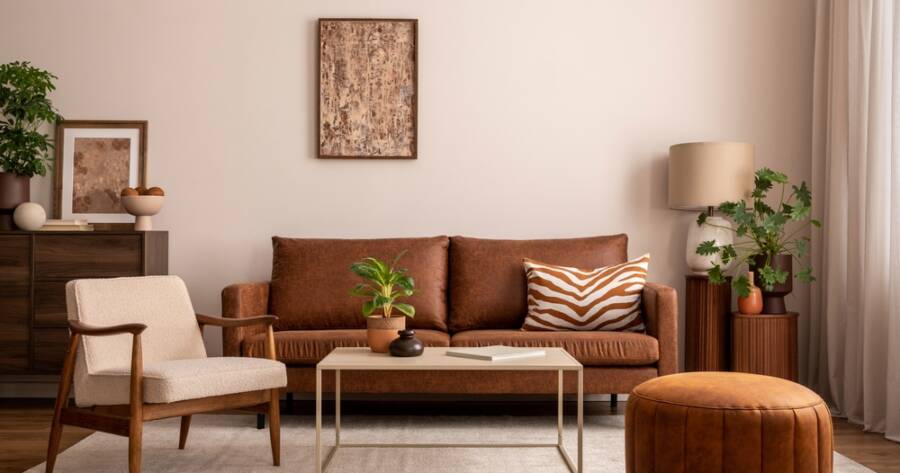
A space that feels truly inviting rarely relies on color alone. Depth, warmth, and sophistication often come from the subtle interplay of materials and finishes. A room layered with thoughtful contrasts invites both the eye and the hand, creating an experience that feels curated. Texture introduces dimension, softening hard edges and elevating simple palettes into something memorable. When balanced with intention, varied materials transform interiors into environments that feel rich, cohesive, and quietly luxurious.
Understanding Texture as the Foundation of Design
Texture goes beyond surface appearance; it shapes how a room is experienced on both a visual and sensory level. Smooth finishes can feel sleek and modern, while softer elements introduce comfort and approachability. The interplay between both creates a sense of balance that defines refined interiors.
Rather than filling a room with objects, thoughtful layering focuses on how materials interact. A matte wall against a polished table or a soft textile paired with structured furniture introduces dimension without overwhelming the space. When texture becomes the foundation, even a minimal design can feel complete and intentionally styled.
Balancing Soft and Structured Elements
A well-designed space often relies on contrast between softness and structure. Plush fabrics such as velvet, wool, or linen introduce warmth, while materials like marble, glass, and metal provide clarity and definition. Combining both ensures a room feels grounded yet inviting.
The key lies in proportion. Too many soft elements can feel overly casual, while an excess of hard surfaces may appear cold or unwelcoming. Pairing a tailored sofa with a textured throw or placing a sleek table beside an upholstered chair creates harmony. Balance allows each material to stand out while contributing to a cohesive overall aesthetic.
Layering Textiles for Depth and Comfort
Textiles are one of the most effective ways to introduce texture without making permanent changes. Cushions, throws, rugs, and drapery can transform a room by adding softness and visual interest. Mixing fabrics such as silk, boucle, and knit introduces subtle variation that feels intentional and layered.
Layering works best when guided by restraint. A combination of two or three complementary fabrics often feels more refined than an overly busy arrangement. Pairing a leather sofa with soft pillows and a textured blanket, for example, creates contrast while maintaining cohesion. The result is a space that feels both comfortable and elevated.
Mixing Natural Materials for Organic Warmth
Natural materials bring an organic quality that softens interiors and adds authenticity. Wood, leather, stone, and woven fibers introduce variation that feels grounded and timeless. Each material carries its own character, contributing to a layered and lived-in aesthetic.
Incorporating natural elements also helps connect indoor spaces to the outside environment. A wooden table paired with a stone accent or woven basket introduces subtle contrast while maintaining harmony. Organic textures create a sense of calm, making a space feel approachable without sacrificing sophistication.
Using Contrast to Create Visual Interest
Contrast is essential when mixing textures, as it prevents a room from feeling flat or repetitive. Pairing rough with smooth, matte with glossy, or structured with fluid surfaces introduces movement and dimension. Such combinations guide the eye and create a more dynamic visual experience.
A reclaimed wood table alongside metal chairs or a soft rug beneath a sleek sofa illustrates how contrast can elevate a space. The goal is not to compete but to complement. When contrasting elements are thoughtfully combined, they enhance one another and create a layered look that feels intentional and refined.
Editing with Intention to Avoid Visual Clutter
Layering texture requires restraint as much as creativity. Too many competing materials can overwhelm a space, making it feel cluttered rather than curated. Limiting the number of dominant textures allows each element to stand out without distraction.
Editing also involves considering scale and placement. Larger, statement textures can anchor a room, while smaller accents provide supporting detail. Leaving areas of visual rest ensures the design feels balanced. A curated approach allows texture to enhance the space rather than dominate it, resulting in a more polished and cohesive environment.
Where Texture Meets Timeless Elegance
A thoughtfully layered interior feels complete without appearing excessive. Each material contributes to a larger story, creating a space that feels both refined and comfortable. Texture becomes the element that ties everything together, offering depth without relying on bold color or ornamentation.
When approached with intention, mixing textures transforms everyday rooms into elevated environments. The result is not just visual appeal, but a sensory experience that invites interaction and ease. Over time, such spaces remain timeless, proving that true luxury often lies in subtle details and carefully considered layers.