

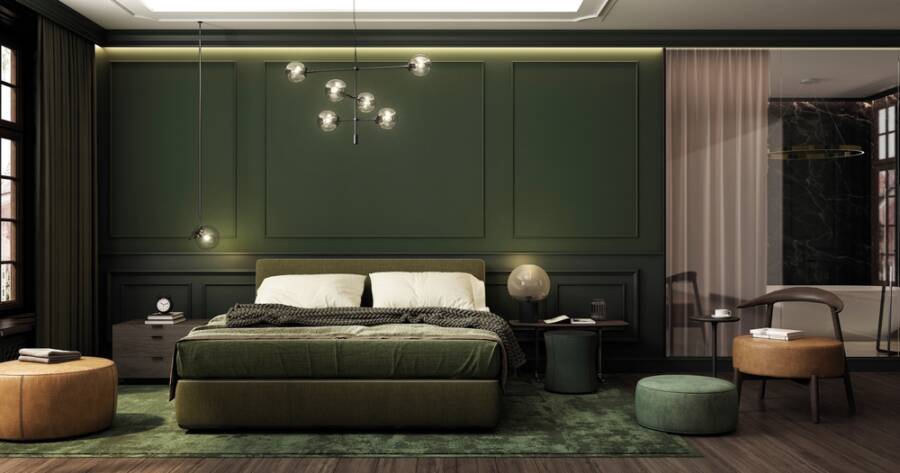
A room looks expensive when it feels intentional, calm, and quietly elevated. Luxury is rarely about filling a space with more; it’s about editing, refining, and choosing details that signal quality at a glance. The right lighting can flatter every surface, textiles can add softness and depth, and a few scaled-up design moments can shift the entire mood. With strategic updates and thoughtful styling, even the most everyday room can take on a polished, high-end presence.
Declutter First, Then Style with Intention
A sophisticated room always has breathing space. Clearing surfaces instantly makes a home feel larger, calmer, and more considered. Start with what collects visually: stacks of mail, mismatched cords, overflowing shelves, and crowded tabletops. The goal isn’t an empty room, but a room where every visible item appears purposeful.
Once the clutter is gone, styling becomes more impactful. Group décor in simple vignettes, such as one sculptural object, one natural element, one book or tray, rather than scattering small items everywhere. Closed storage helps maintain the look long-term, especially in busy homes. A tidy room reads as curated, even before a single upgrade is made.
Upgrade Lighting for Instant Elegance
Lighting is one of the fastest ways to make a room feel high-end because it affects both function and atmosphere. Replace builder-grade fixtures with something sculptural: a refined pendant, a tailored semi-flush mount, or a statement sconce. Even a modest fixture can look expensive when scale is right and the finish feels intentional.
Layered lighting is the secret behind rooms that photograph beautifully. Combine overhead light with table lamps and floor lamps to create dimension and warmth. Choose bulbs with a soft, flattering glow and place lighting near reflective surfaces like mirrors or polished metals to amplify brightness. A room with thoughtful lighting feels finished, even without major changes.
Add Window Treatments That Elevate the Architecture
Bare windows often make a room feel underdressed. Drapery instantly adds polish while making ceilings appear taller when hung high and wide. Long panels that kiss the floor create a tailored look associated with luxury hotels and designer spaces. Linen, velvet, and textured weaves tend to look richer than thin, shiny fabrics.
Shades also matter. Swapping dated blinds for woven wood shades or simple Roman shades can modernize a space quickly. The most elevated rooms treat windows like part of the architecture, not an afterthought. Coordinating hardware finishes with nearby lighting or door handles adds cohesion that reads custom and expensive.
Layer Texture Like a Designer
Texture creates visual richness, even in a neutral room. Luxurious spaces mix materials that invite touch: bouclé, velvet, linen, wool, leather, cashmere, and natural wood. A room can feel expensive without bold color simply by adding depth through textiles and finishes.
Start with foundational layers such as a substantial rug, then build upward with pillows, throws, and upholstery. Mixing matte and subtle sheen, like linen beside brushed metal, adds sophistication without feeling flashy. Even small upgrades, such as a heavier curtain fabric or a textured pillow cover, can shift the mood. When texture is layered thoughtfully, the entire room feels more dimensional and elevated.
Go Bigger with Art and Décor
Scale is a shortcut to a high-end look. Oversized art, a large mirror, or a substantial vase creates a focal point that feels intentional and confident. Small items can look cluttered when scattered, but one larger statement piece brings order and impact. Framing also matters. Simple, substantial frames tend to look more expensive than thin, lightweight options.
A single dramatic arrangement can elevate a room immediately. Consider a tall branch display, lush greenery, or an oversized bowl on a coffee table. The effect mimics boutique hotels and refined restaurants, where décor is chosen for presence. The room feels elevated because the styling looks deliberate rather than accidental.
Swap Hardware and Small Fixtures for a Custom Feel
Tiny details often signal whether a home feels builder-grade or bespoke. Replacing cabinet pulls, doorknobs, switch plates, and faucets can refresh a room without renovation. Choose finishes that feel timeless, such as brushed brass, aged bronze, matte black, or polished nickel, and keep the selection consistent within a space.
Hardware should feel substantial in hand and proportionate to the cabinetry or doors. In kitchens and bathrooms, a modern faucet or upgraded showerhead can make the entire room feel updated. Even curtain rods and hooks deserve attention; quality finishes and clean silhouettes create cohesion. When small fixtures align, the room reads as thoughtfully designed rather than pieced together.
The Quiet Luxury Effect
Making a room look expensive comes down to restraint, cohesion, and a few high-impact choices. Clean sightlines, layered lighting, tailored window treatments, and textural depth create a refined foundation. Statement scale adds confidence, while upgraded details deliver the subtle sense of craftsmanship associated with luxury interiors.
The most elegant rooms also feel livable. Comfort, warmth, and personal touches keep the space from looking staged or sterile. With careful editing and strategic upgrades, a room can feel polished and elevated without changing its layout or taking on a full renovation.